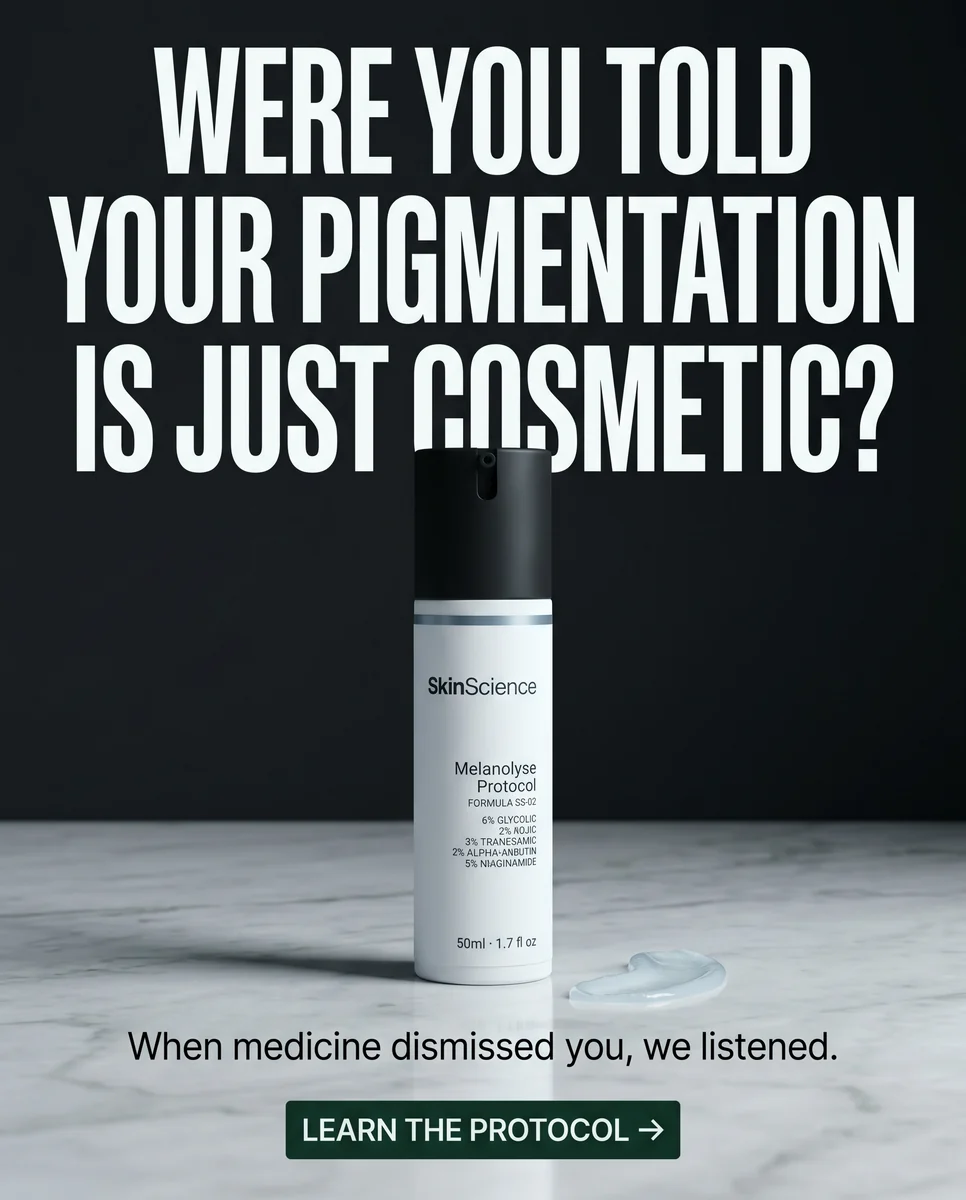
The 14-Day Protocol That Fades Hormonal Dark Spots Without Hydroquinone.
- ✓Works when hydroquinone, vitamin C, and drugstore brighteners failed. It shuts off the hormone signal that makes new pigment — not just the spots already there.
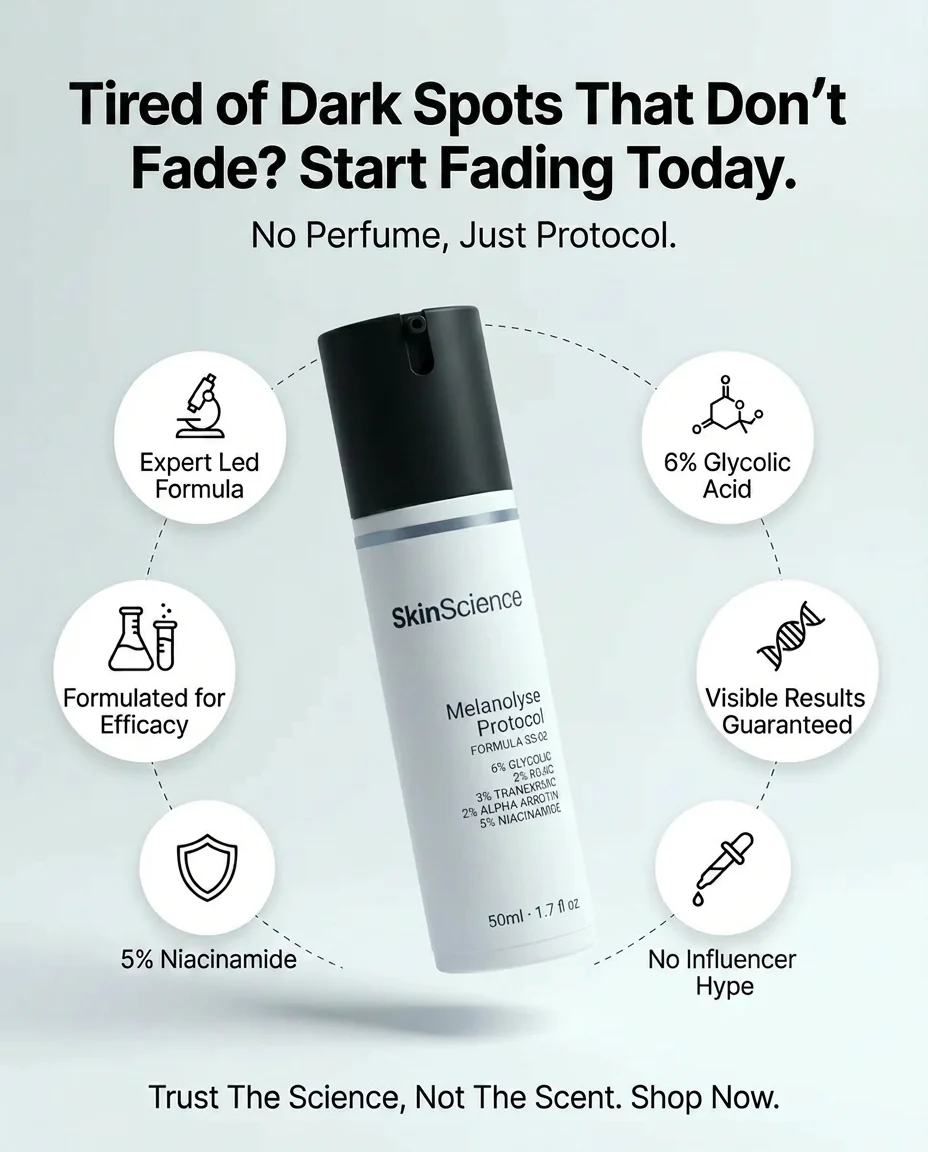
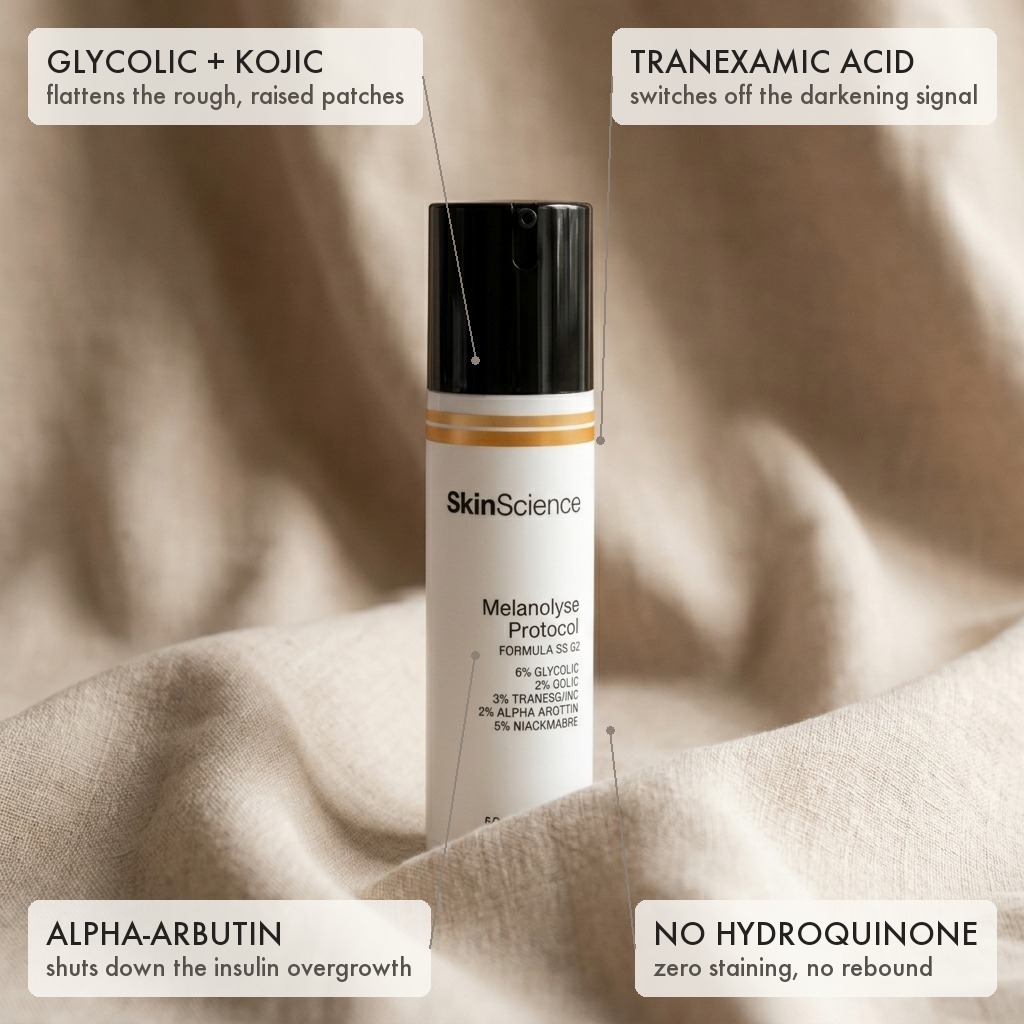
- ✓6% Glycolic + 2% Kojic-D + 3% Tranexamic. Levels the surface and silences the pigment alarm at the same time.
- ✓2% Alpha-Arbutin + 5% Niacinamide. Oil-soluble actives that reach the deeper PCOS skin where water-based brighteners can’t.
- ✓Hydroquinone-free. No staining risk. No rebound darkening. Built for hormone-driven skin and the luteal-phase cycle.
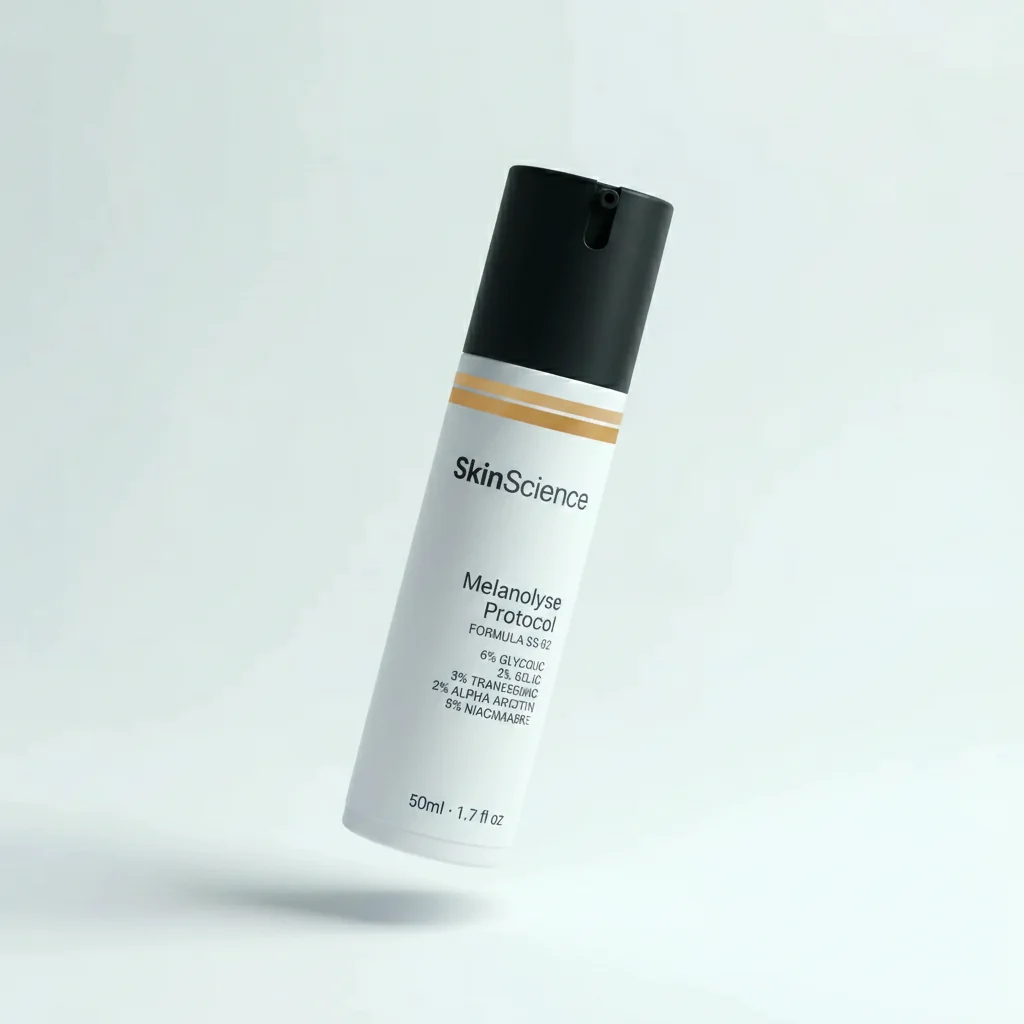
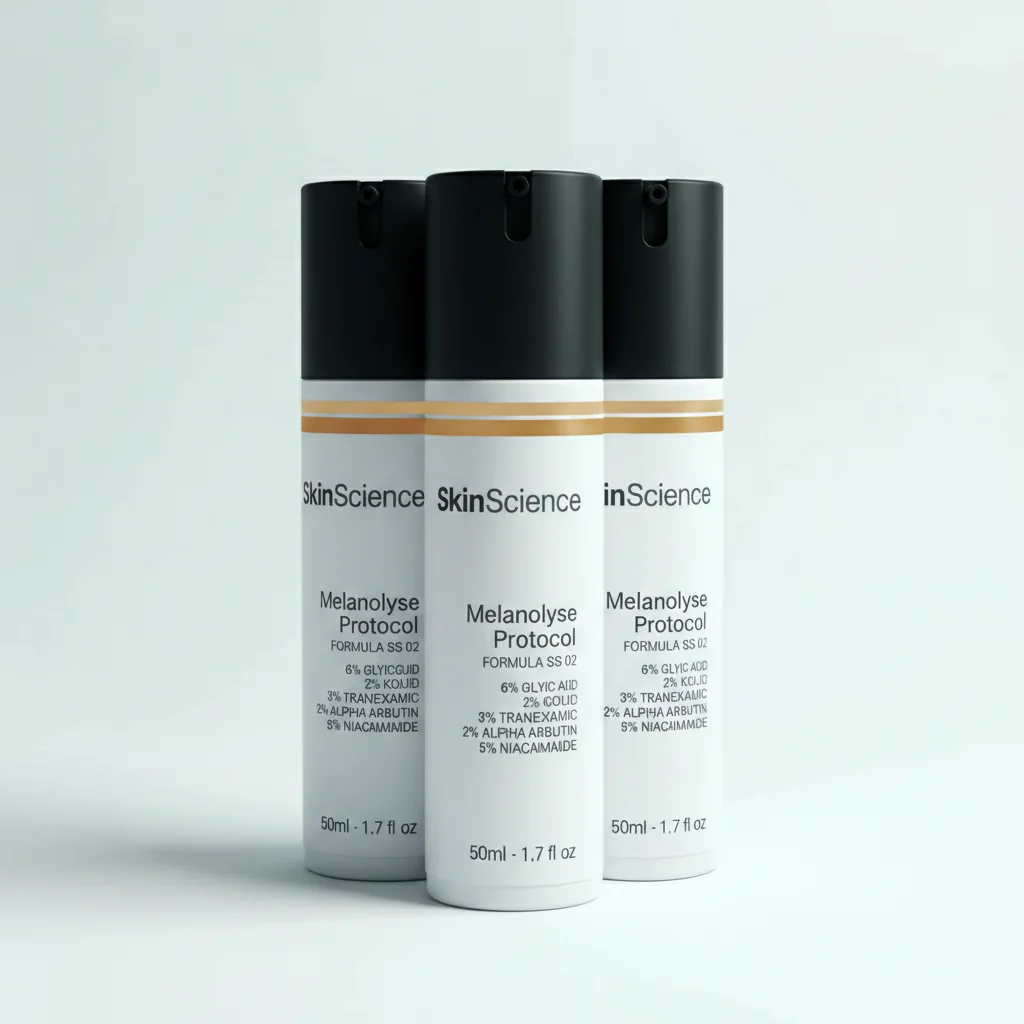
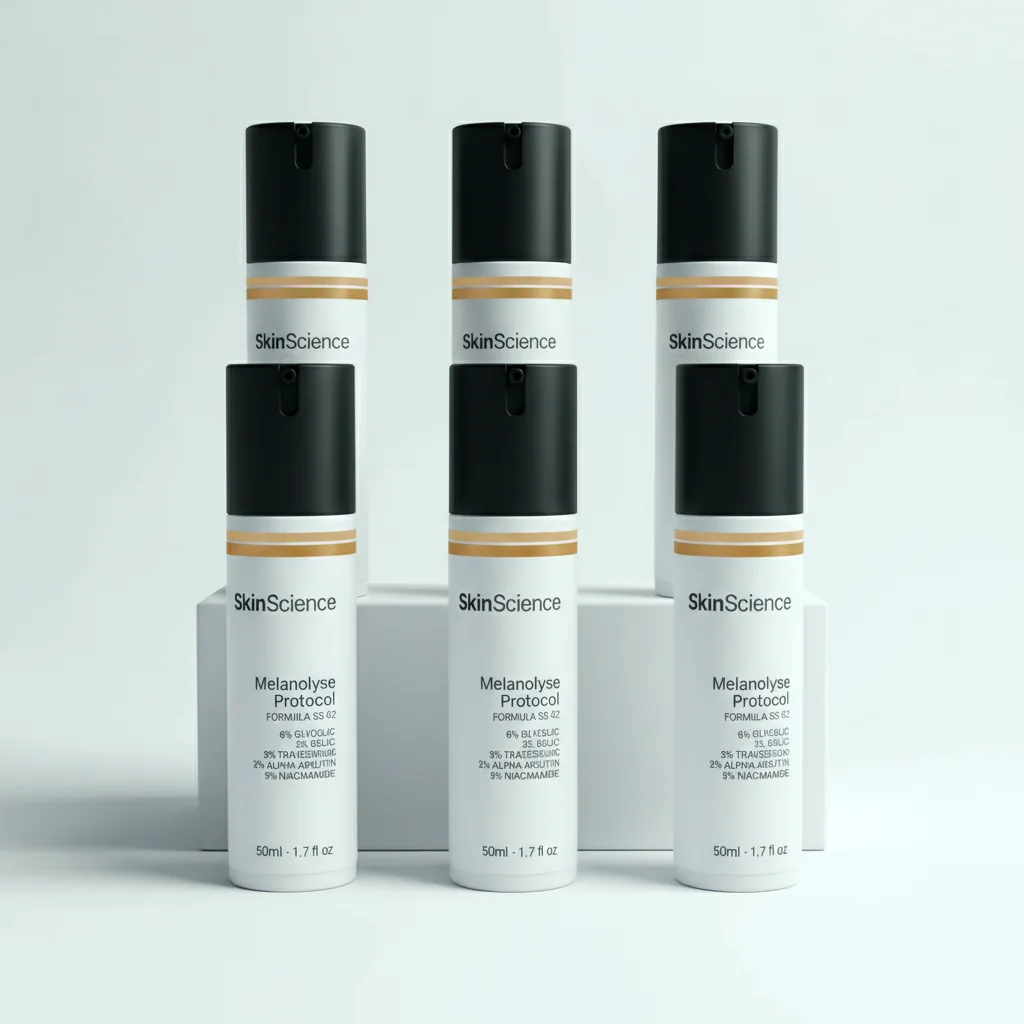
60 Days. See It Fade, Satisfaction Guaranteed.
Use it daily for 60 days. If your dark patches haven’t visibly faded and the “hygiene stigma” isn’t a memory — send it back, even half-empty. No receipts. No restocking fee. The risk is entirely on us.
Real arms. Real legs. Real 30-day results.
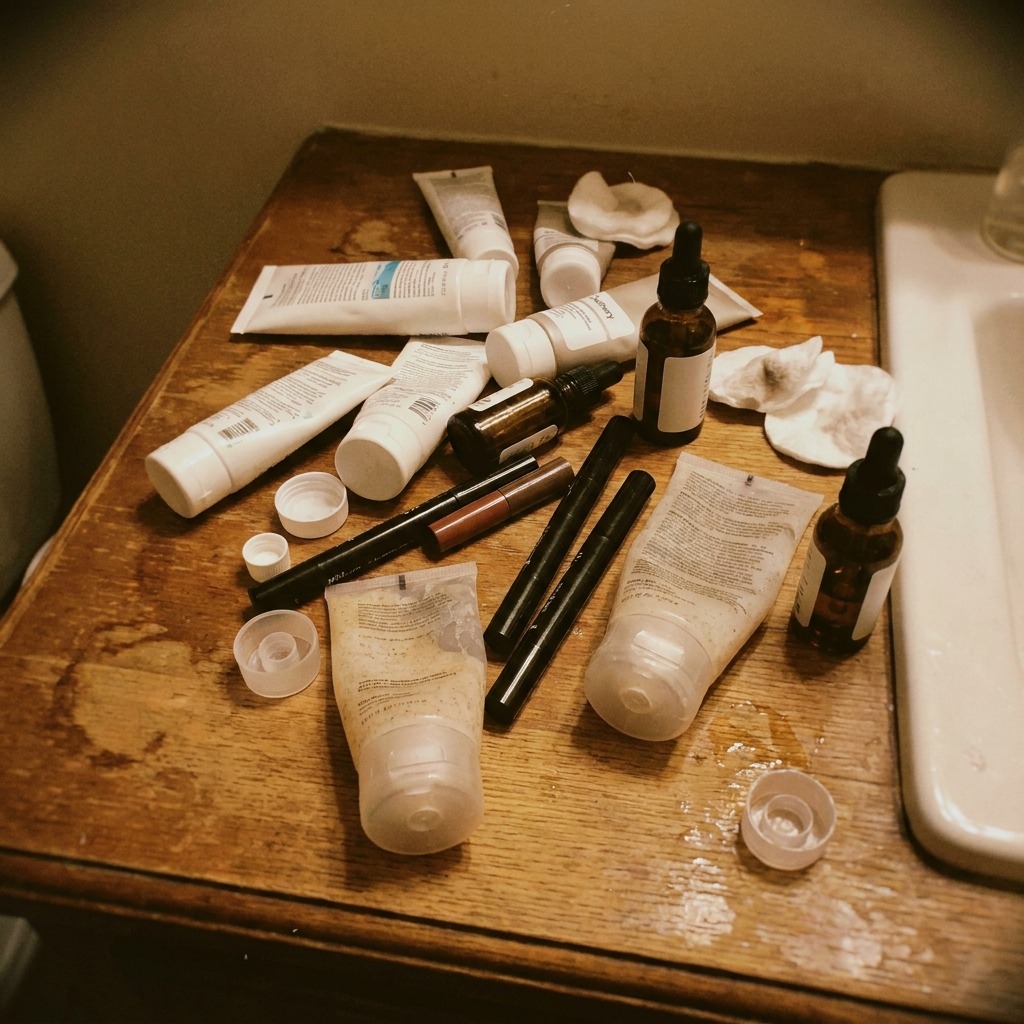
Still scrubbing the “dirt” that won’t come off?
You’ve tried hydroquinone. The $80 vitamin C serum off SkinTok. The Kojic soap from the Korean beauty supply. Maybe even the bleaching cream the second dermatologist gave up and prescribed. The skin gets red — and three weeks later, the dark patches are darker than before.
Here’s what no dermatologist explained: your skin isn’t dirty. It’s being darkened from the inside.
In a PCOS body, high insulin signals your skin cells to multiply faster than they can shed. The skin physically thickens. Then it folds into rough, raised patches. Those raised patches trap shadow — which is why they look darker than the pigment alone could explain. Underneath it all, a stuck darkening signal turns on your pigment cells and locks them in the ON position.
Hydroquinone, vitamin C, and drugstore brighteners only attack pigment already deposited. They never switch off the darkening signal. They never smooth the raised patches. They never reach the oil-rich PCOS skin underneath. That’s why the patches fade for two weeks — then come back darker. That’s the exact problem Melanolyse was built to solve.
The only plan that smooths the surface and switches off the darkening signal.
Step 1 · Smooth. 6% Glycolic Acid + 2% Kojic Acid Dipalmitate work in two tiers. Glycolic dissolves the hardened surface flat. Kojic-D is oil-soluble — it reaches deeper into the PCOS skin where water-based brighteners can’t. The rough, raised patches flatten out.
Step 2 · Switch off. 3% Tranexamic acid is the signal-blocker. It switches off the signal that fires your pigment cells. 2% Alpha-Arbutin + 5% Niacinamide block the enzyme that makes pigment, so no new color forms.
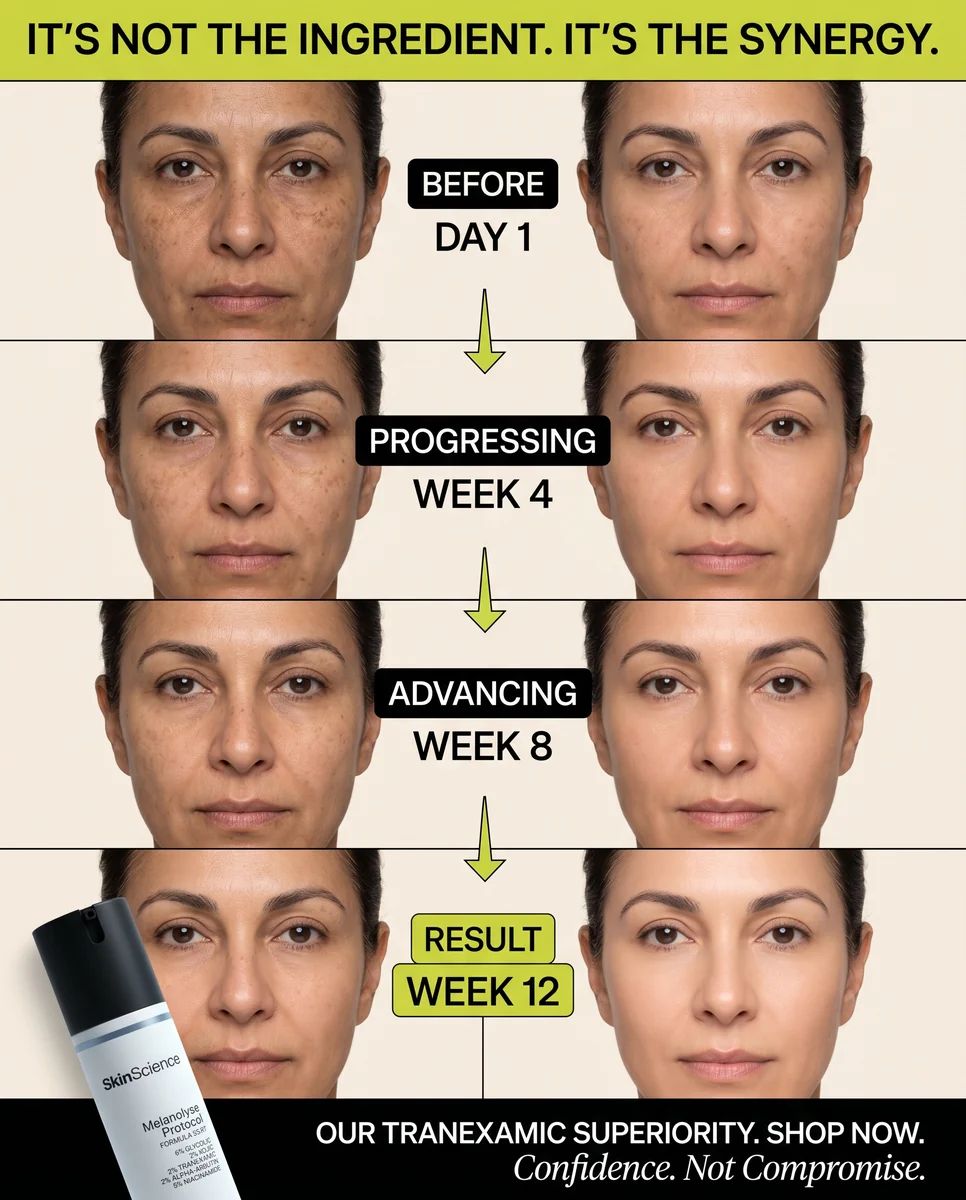
The result? Skin shifts from velvety to silky in 14 days. The dark patches fade alongside it. Identity restoration — the version of yourself that existed before hormones took over your skin.
Forty-five seconds. Once a day.
Smooth the surface.
6% Glycolic Acid dissolves the dead-skin glue that builds the rough patches. 2% Kojic Acid Dipalmitate is oil-soluble. It reaches deeper into the PCOS skin where water-based brighteners can’t. The rough, raised patches flatten out.
Switch off the darkening signal.
3% Tranexamic Acid is the signal-blocker. It switches off the signal that fires your pigment cells. The pigment cells shrink back. The whole signal goes quiet.
Stop new darkening.
2% Alpha-Arbutin + 5% Niacinamide block the enzyme that makes pigment and stop it from spreading to nearby skin cells. New color doesn’t form. Your skin shifts from velvety to silky within 14 days; full fade by day 60. Because the signal is finally cut, not just the symptom masked.
This is what Identity Restoration looks like.
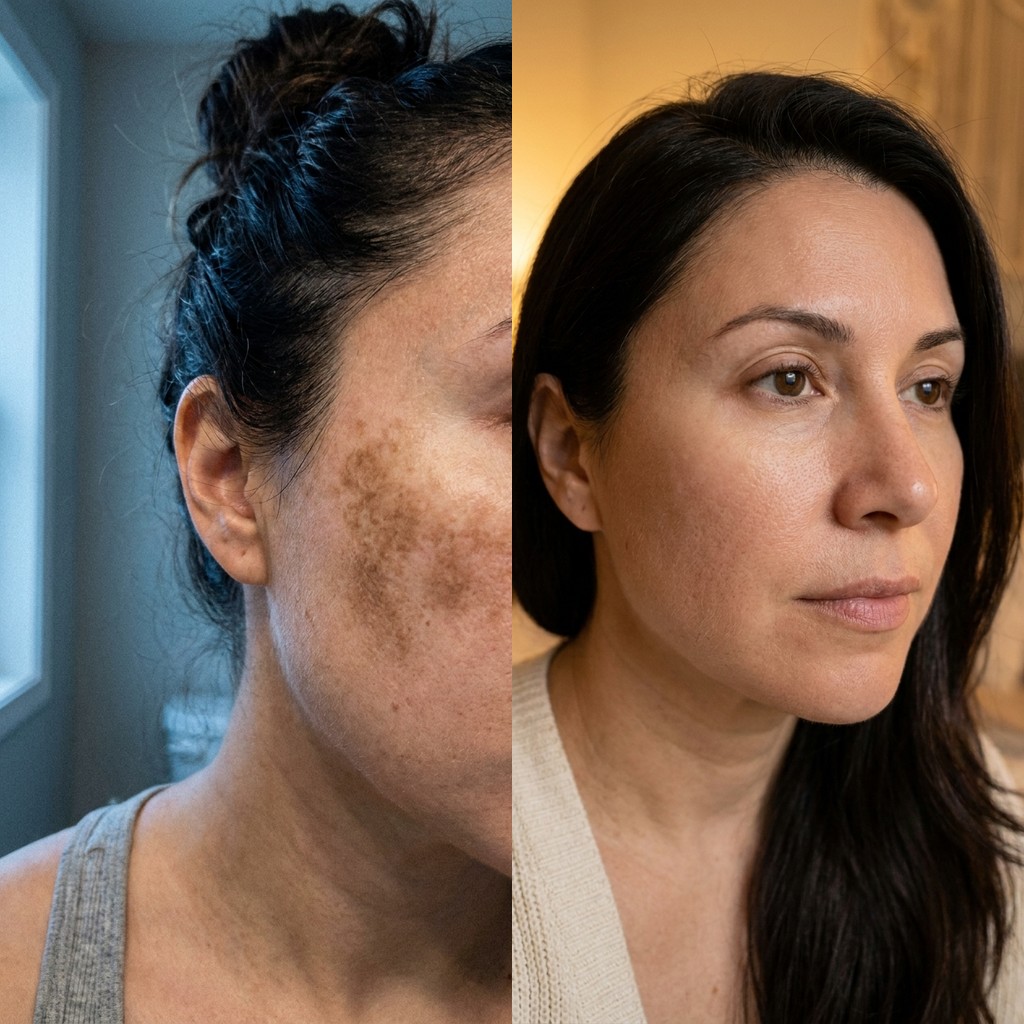
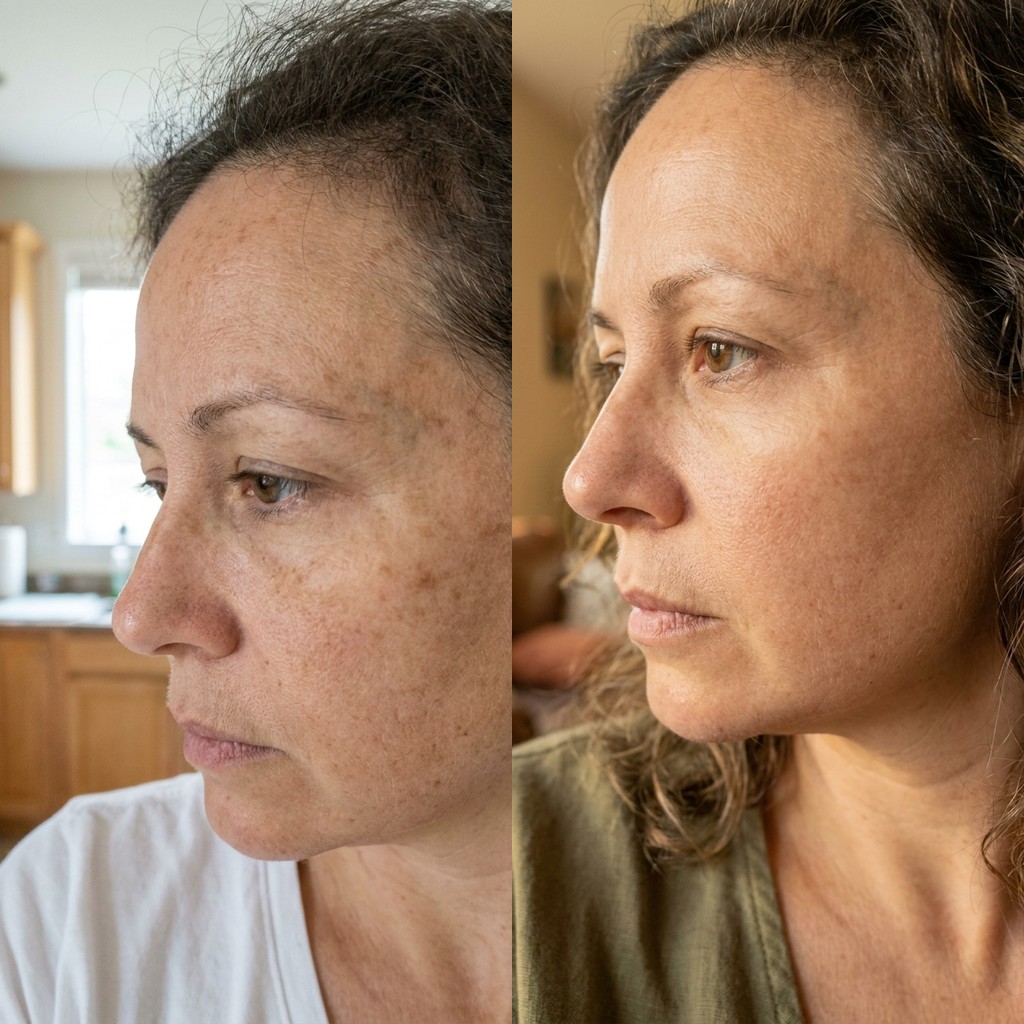
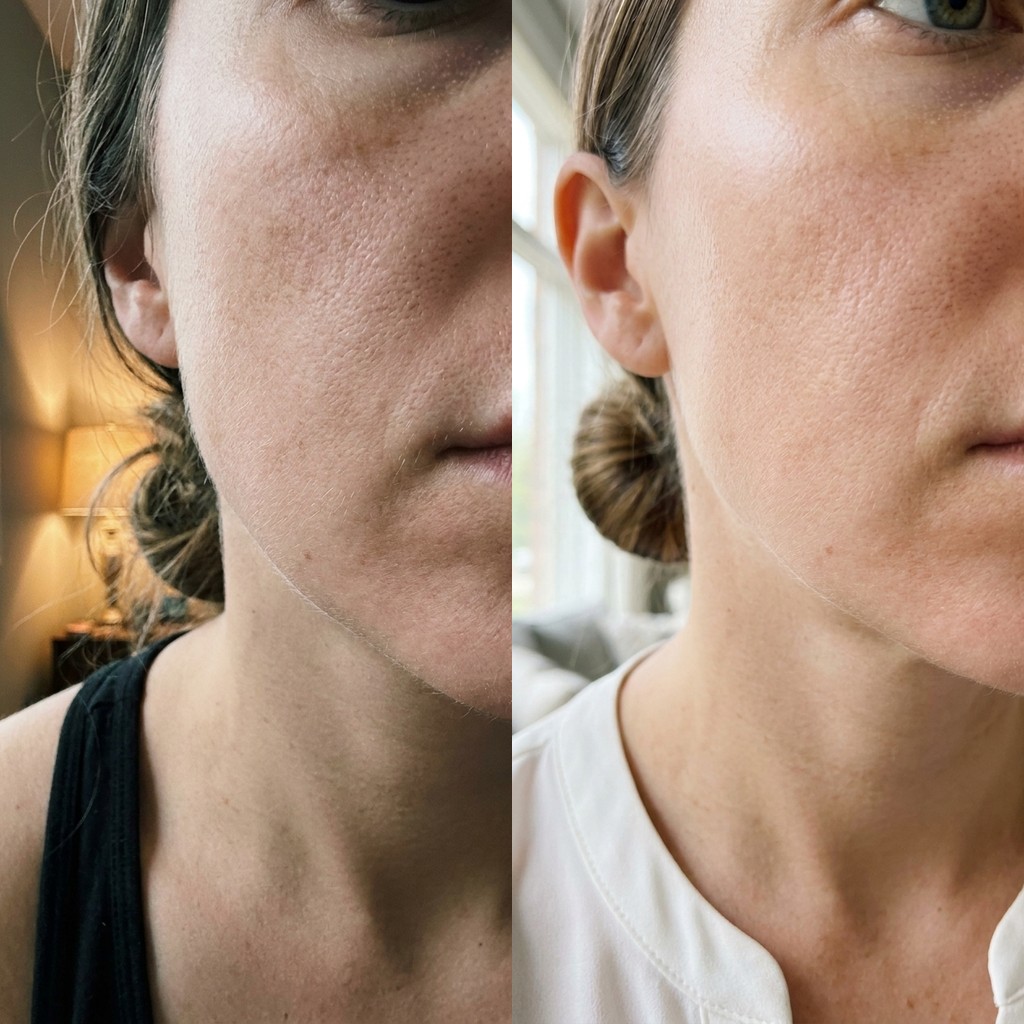
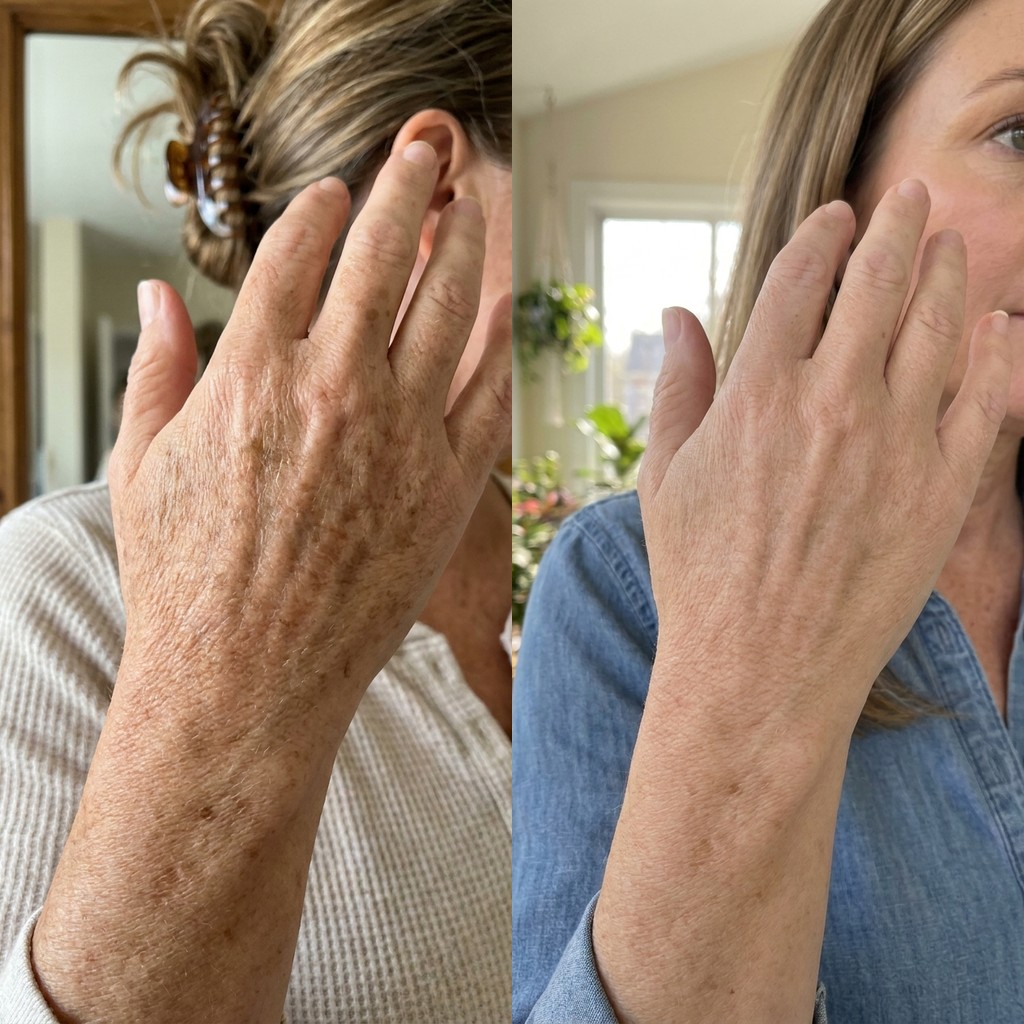
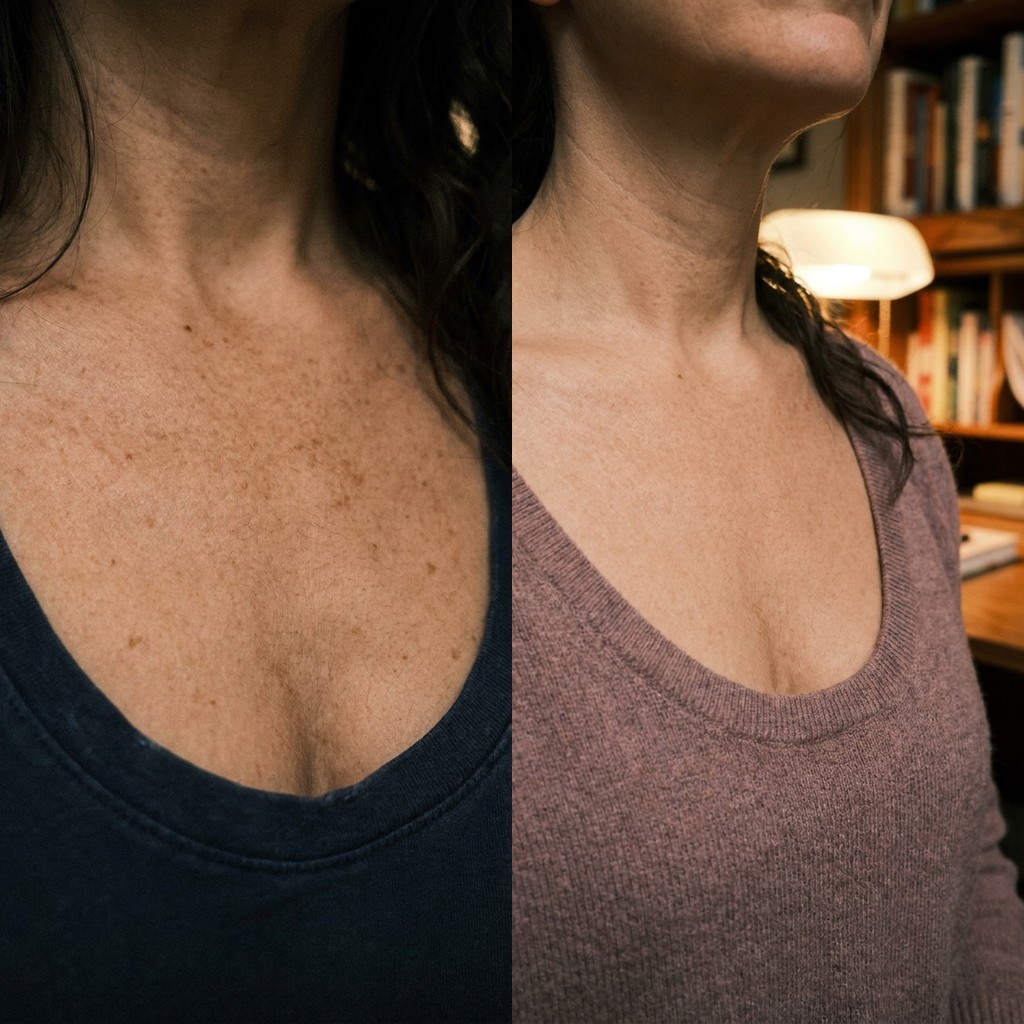
Four problems. Four solutions. One protocol.
Most hyperpigmentation products fix only one of the four problems. Hydroquinone bleaches the melanin already there, but the siren keeps firing — and there’s a risk of permanent staining. Vitamin C breaks down before it can soak in. Drugstore brightening sticks are too weak to clear the hardened surface. Tretinoin dries out hormone-active skin.
Melanolyse hits all three at once: flattens the rough, raised patches, switches off the darkening signal, and shuts down the insulin overgrowth. No hydroquinone. No staining risk. No rebound darkening.
Women who’ve been through 5+ brighteners on their PCOS journey tell us the same thing. This is the first one that gave them a smooth surface and a pigment fade.
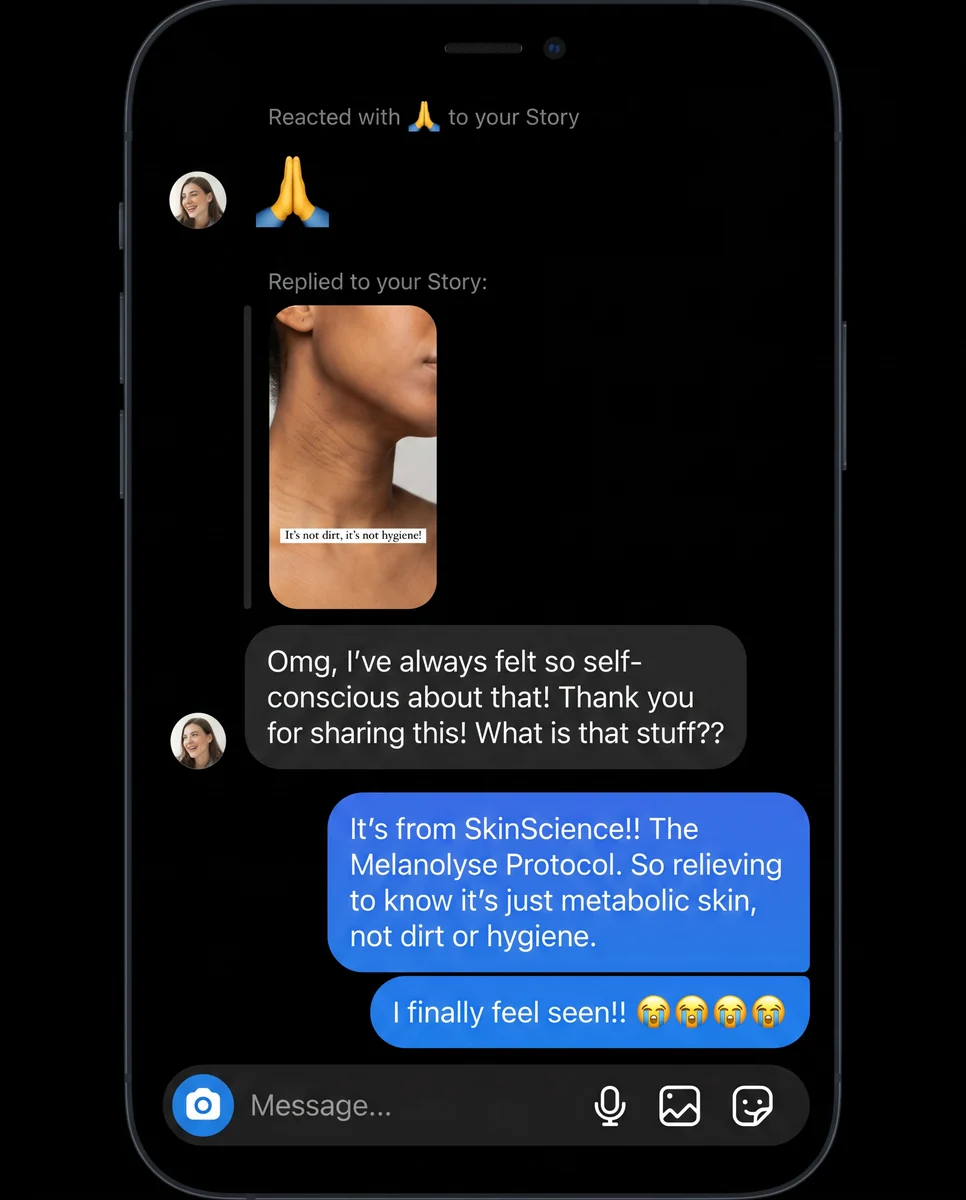
Your skin isn’t dirty. It’s working overtime.
 tank tops · returning confidence
Not paid actors. Not filtered photos. Just real fade.
"I’d been scrubbing my neck raw thinking it was dirty since I was 19. Two derms told me the dark patches were ‘just genetic.’ My PCOS diagnosis at 31 finally explained it. Two weeks of Melanolyse and the velvety patch on my nape lightened more than two years of hydroquinone ever did. No sting. No bleach smell."

"Melasma exploded postpartum and the ‘mom mask’ was destroying my confidence. Tried 4 different brightening serums — the patches faded for two weeks then came back darker. Six weeks of Melanolyse and they’ve faded to almost gone. The Tranexamic actually shut something off, I can feel it."

"Sixty-two and tried every ‘clinical’ brand the dermatologist office sells. None of them touched the redness. Melanolyse is the only thing that shut the cycle off. I have skin neutrality for the first time since high school."

Why this works.
“Hyperpigmentation in PCOS skin isn’t a melanin problem. It’s a signal problem. High insulin makes the skin cells multiply. Long-term inflammation fires the plasminogen siren. The oil-rich layer blocks every water-based brightener on the market. Hydroquinone treats the symptom — and risks staining. Melanolyse cuts the signal instead. Oil-soluble Kojic-D reaches where the cells live. Tranexamic mutes the siren. Glycolic flattens the surface ridges. That’s why it works when everything else darkened back.”
FORMULA SS-02 / Melanolyse Protocol

Why the Melanolyse Protocol works when the others don’t.
| Melanolyse | Prescription Hydroquinone $80+ |
Topicals Faded / Good Molecules $30 |
|
|---|---|---|---|
| Fades existing melanin | ✓ | ✓ | ✓ |
| Switches off the darkening signal (TXA) | ✓ | ✗ | ✓ |
| Levels the rough, raised patches | ✓ | ✗ | ✗ |
| Lipophilic delivery (oil-rich PCOS dermis) | ✓ | ✗ | ✗ |
| No ochronosis risk / no rebound darkening | ✓ | ✗ | ✓ |
| Cost per pump | $34.99 | $80+ | $30 |
Stop scrubbing the “dirt.”
Start the 14-day protocol.
5,355 verified buyers · 4.9 stars · 60-day guarantee · Free US shipping
Claim My Melanolyse Protocol →Honest answers.
How long until I see results?
Most users feel the “Tactile Shift” — velvety to silky — within 7 to 14 days. The visible pigment fade comes in stages. You can see it by day 14. Half-improvement by day 30. Full Identity Restoration typically lands by day 60. The Tranexamic acid effect compounds. Users who stay on it past 60 days report the patches don’t come back.
I’ve tried hydroquinone and vitamin C; the dark patches always come back.
The darkening signal is real. Hydroquinone bleaches the pigment already there. But it never switches off the inflammation that fires your pigment cells in the first place. The patches fade for two to six weeks. Then your next cycle restarts the alarm and they come back darker. Melanolyse uses 3% Tranexamic acid to cut the signal. New pigment doesn’t form. That’s the “cure” hydroquinone never delivered.
My PCOS is undiagnosed. Can I still use this?
Yes. About 70% of PCOS goes undiagnosed in the US. Most Melanolyse users arrive without a formal diagnosis. The same biology drives Acanthosis Nigricans, hormonal melasma, and PIH — and they all respond to the Triple-Acid complex. (We do suggest an A1C and fasting insulin test if you have AN. It’s the most reliable insulin-resistance signal.)
Will it sting? My skin is reactive after years of bleaching creams.
Almost never. The Glycolic at 6% is well below peel-strength. The Tranexamic and Alpha-Arbutin don’t irritate. The Kojic-D releases its active slowly through the skin’s natural lipids, instead of dumping it on the surface. If you’ve had staining or rosacea-flare scars from hydroquinone, patch-test for 72 hours first.
Is this safe for pregnancy or breastfeeding?
There’s limited pregnancy data on topical Tranexamic acid. To be safe, pause Melanolyse during pregnancy and the first 3 months of breastfeeding. The pigment pathway is very active postpartum (the “mom mask”). Resume Melanolyse at month 4 of breastfeeding to clear the leftover melasma without missing the best window.
How does this compare to prescription hydroquinone?
Hydroquinone is a powerful pigment bleach. But it carries real risks. Permanent blue-black staining can happen at higher doses. Rebound darkening hits when you stop. And it does nothing for the ridges underneath. Melanolyse takes a different path. Silence the signal with Tranexamic. Level the surface with Glycolic. Block new pigment with Alpha-Arbutin + Kojic-D. No bleach risk. No rebound when you cycle off.
When does my order ship?
Orders ship same-day from our US FDA-registered facilities when placed before 2pm ET. After 2pm, they ship the next business day. US delivery is 3 to 5 business days via USPS Priority. You’ll get a tracking email the moment your jar leaves.
What if it doesn’t work for me?
We back every jar with a 60-day satisfaction guarantee. Use the protocol as directed for the full 60 days. If your dark patches haven’t visibly faded and your skin tone isn’t more even — send it back, even half-empty. We’ll refund you in full — no restocking fee, no questions, no small print.
Real necks. Real underarms. Real Identity Restoration.
The melasma across my cheekbone darkened every summer no matter how much hydroquinone I layered on, and the rebound when I stopped was worse. Eight weeks of Melanolyse and it’s the faintest it’s been since my thirties. I’ve stopped reaching for color-correcting concealer every morning. Forty-nine and bare-faced at school pickup.
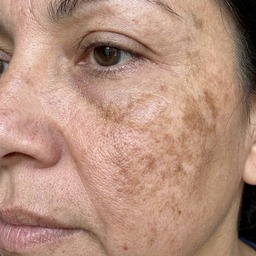
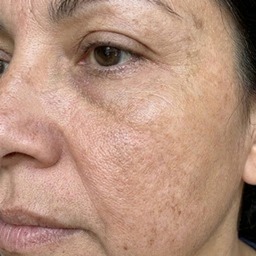

My PCOS diagnosis at 31 finally explained the dark patches I’d been scrubbing since I was 19. Two derms told me they were “just genetic.” Started Melanolyse and the velvety nape patch lightened more than two years of hydroquinone ever did. The first product I’ve recommended in my life.
PCOS at 27, and dark patches crept across my cheeks and jaw ever since. I spent thousands guessing — vitamin C that oxidized orange, kojic soap, a hydroquinone script that just thinned my skin. Three months of Melanolyse and the patch by my mouth is gone. My daughter asked which foundation I switched to. None.
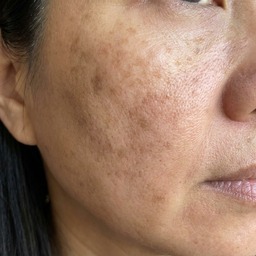
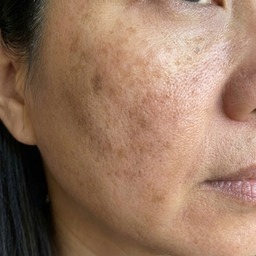


I’ll be honest — the dark spots old acne left on my cheeks took a full eight weeks, not the four I hoped for. But they faded evenly, without the harsh sting my old fade cream gave me. Fifty-seven, and the post-breakout shadows that lingered for a year are gone. I’m glad I kept at it.

The serum has no scent and never once stung, which after years of acid toners that left me raw felt almost suspicious. By week six my husband noticed the brown spots on my temples had faded — and I hadn’t told him I was using anything. Sixty, and my tone is more even than it’s been in a decade.
Being honest — the melasma on my cheeks lifted by month three, but the band across my forehead is slower. Maybe it’s hormonal, maybe just deeper. Still, three of the four patches I’ve fought for years are essentially gone. Forty-five and sticking with it for that last stubborn one.
The halter tops can come back out.
5,355 verified buyers · 4.9 stars · 60-day guarantee.
The risk is 100% on us. Your only job: apply it once a day, and let mechanobiology do the rest.